© 2026 นิยมชัย.
3/4
Stone
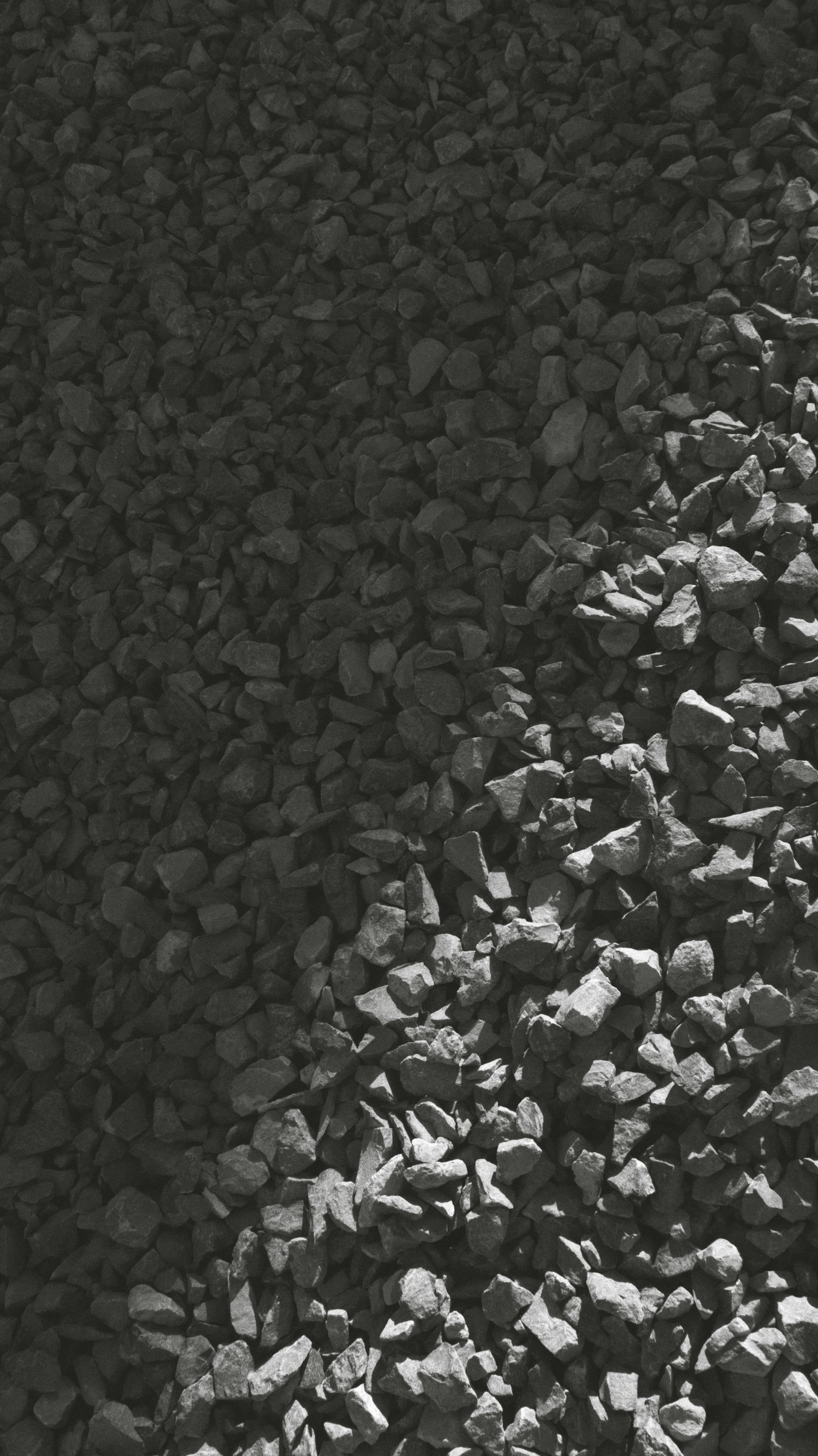

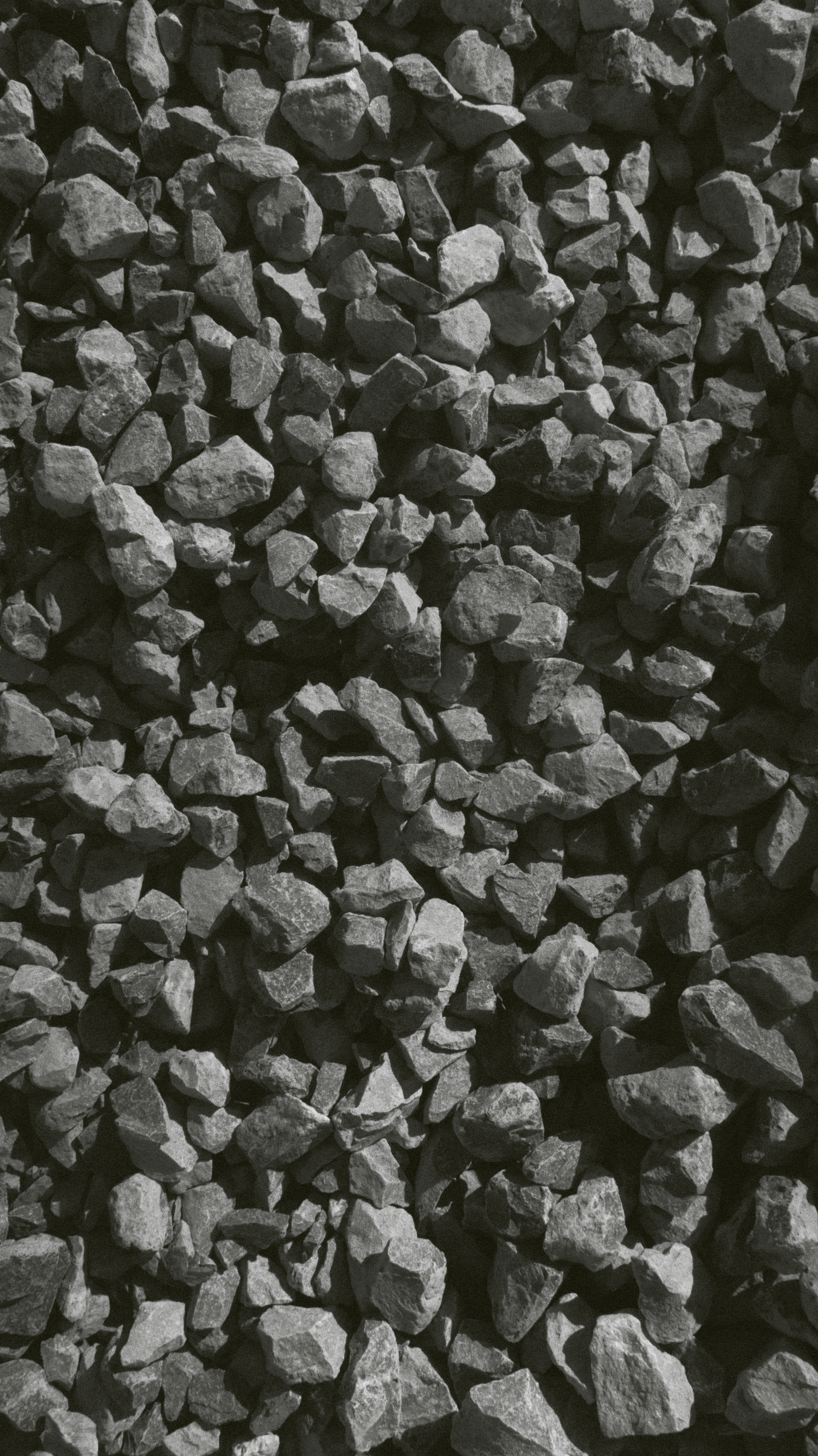
Sourced from limestone quarries, 3/4 stone is a robust, high-performance coarse aggregate known for its angular particle shape and strong interlocking properties. It is processed to deliver the compressive strength, angularity, durability, and load-bearing capacity required for massive substructure and resilient infrastructure applications. It is widely used as a coarse aggregate in concrete production, road base and sub-base layers, drainage systems, and foundation works.

Applications
Concrete production (reinforced and mass concrete)

Foundation, retaining walls, and precast products
Road base, sub-base, and pavement layers
Drainage layers and gravel-filled draining trench
Backfill (providing support and enhancing stability)
Infrastructure projects (i.e., highways, airports, railways, and large-scale civil engineering works)

Technical Specification
Physical Properties

Particle size
3/4 inches or 19–20 mm (well-graded coarse aggregate)¹
Specific gravity
2.65 – 2.75²
Bulk density
1.40 – 1.60 t/m³ (loose)²
Particle shape
Angular to sub-angular, providing good interlocking and
stability²
Abrasion
resistance
LA25–LA40 (commonly LA30)4
MDE15–MDE254
Chemical Properties²

pH
Alkaline, typically in the range of 8.5–9.5 (characteristic of
high-purity limestone from Saraburi)²
Primary
composition
Dominated by calcium carbonate (CaCO₃) from limestone sources
Low content of deleterious materials such as clay, organic matter, and reactive silica when properly processed
Performance Characteristics
Provides high compressive strength and structural stability when used as coarse aggregate in concrete²

Offers excellent load-bearing capacity and drainage properties for road base and sub-base applications¹-²
Suitable for use in reinforced concrete, mass concrete, and pavement construction²
Circular Mining
An approach that creates closed-loop systems, keeping stone resources in use for as long as possible through reuse, recycling, remanufacturing, and waste minimisation. Quarries following this model sharply reduce the amount of waste sent to landfills while lowering the need for new extraction. The 3/4 stone is produced as part of an integrated crushing and screening process that turns nearly all extracted limestone into valuable products.
With proper environmental controls, the process significantly reduces dust emissions, minimises land disturbance, and lowers transport-related emissions.



EN,
TH
Discover
© 2026 นิยมชัย.
3/4
Stone

Sourced from limestone quarries, 3/4 stone is a robust, high-performance coarse aggregate known for its angular particle shape and strong interlocking properties. It is processed to deliver the compressive strength, angularity, durability, and load-bearing capacity required for massive substructure and resilient infrastructure applications. It is widely used as a coarse aggregate in concrete production, road base and sub-base layers, drainage systems, and foundation works.

Applications
Concrete production (reinforced and mass concrete)

Foundation, retaining walls, and precast products
Road base, sub-base, and pavement layers
Drainage layers and gravel-filled draining trench
Backfill (providing support and enhancing stability)
Infrastructure projects (i.e., highways, airports, railways, and large-scale civil engineering works)

Technical Specification
Physical Properties

Particle size
3/4 inches or 19–20 mm (well-graded coarse aggregate)¹
Specific gravity
2.65 – 2.75²
Bulk density
1.40 – 1.60 t/m³ (loose)²
Particle shape
Angular to sub-angular, providing good interlocking and stability²
Abrasion
resistance
LA25–LA40 (commonly LA30)4
MDE15–MDE254
Chemical Properties²

pH
Alkaline, typically in the range of 8.5–9.5 (characteristic of high-purity limestone from Saraburi)²
Primary
composition
Dominated by calcium carbonate (CaCO₃) from limestone sources
Low content of deleterious materials such as clay,
organic matter, and reactive silica when properly processed
Performance Characteristics
Provides high compressive strength and structural stability when used as coarse aggregate in concrete²

Offers excellent load-bearing capacity and drainage
properties for road base and sub-base applications¹-²
Suitable for use in reinforced concrete, mass concrete, and pavement construction²
Circular Mining
An approach that creates closed-loop systems, keeping stone resources in use for as long as possible through reuse, recycling, remanufacturing, and waste minimisation. Quarries following this model sharply reduce the amount of waste sent to landfills while lowering the need for new extraction. The 3/4 stone is produced as part of an integrated crushing and screening process that turns nearly all extracted limestone into valuable products.
With proper environmental controls, the process significantly reduces dust emissions, minimises land disturbance, and lowers transport-related emissions.

Back
EN,
TH
Discover

Back
EN,
TH
Discover
© 2026 นิยมชัย.


3/4
Stone
Sourced from limestone quarries, 3/4 stone is a robust, high-performance coarse aggregate known for its angular particle shape and strong interlocking properties. It is processed to deliver the compressive strength, angularity, durability, and load-bearing capacity required for massive substructure and resilient infrastructure applications. It is widely used as a coarse aggregate in concrete production, road base and sub-base layers, drainage systems, and foundation works.

Applications
Concrete production (reinforced and mass concrete)

Foundation, retaining walls, and precast products
Road base, sub-base, and pavement layers
Drainage layers and gravel-filled draining trench
Backfill (providing support and enhancing stability)
Infrastructure projects (i.e., highways, airports, railways, and large-scale civil engineering works)
Technical Specification
Physical Properties

Particle size
3/4 inches or 19–20 mm (well-graded coarse aggregate)¹
Specific gravity
2.65 – 2.75²
Bulk density
1.40 – 1.60 t/m³ (loose)²
Particle shape
Angular to sub-angular, providing good interlocking and
stability²
Abrasion
resistance
LA25–LA40 (commonly LA30)4
MDE15–MDE254
Chemical Properties²

pH
Alkaline, typically in the range of 8.5–9.5 (characteristic of
high-purity limestone from Saraburi)²
Primary
composition
Dominated by calcium carbonate (CaCO₃) from limestone
sources
Low content of deleterious materials such as clay,
organic matter, and reactive silica when properly processed
Performance Characteristics
Provides high compressive strength and structural stability
when used as coarse aggregate in concrete²

Offers excellent load-bearing capacity and drainage
properties for road base and sub-base applications¹-²
Suitable for use in reinforced concrete, mass concrete, and
pavement construction²
Circular Mining
An approach that creates closed-loop systems, keeping stone resources in use for as long as possible through reuse, recycling, remanufacturing, and waste minimisation. Quarries following this model sharply reduce the amount of waste sent to landfills while lowering the need for new extraction. The 3/4 stone is produced as part of an integrated crushing and screening process that turns nearly all extracted limestone into valuable products.
With proper environmental controls, the process significantly reduces dust emissions, minimises land disturbance, and lowers transport-related emissions.
© 2026 นิยมชัย.
3/4
Stone
Sourced from limestone quarries, 3/4 stone is a robust, high-performance coarse aggregate known for its angular particle shape and strong interlocking properties. It is processed to deliver the compressive strength, angularity, durability, and load-bearing capacity required for massive substructure and resilient infrastructure applications. It is widely used as a coarse aggregate in concrete production, road base and sub-base layers, drainage systems, and foundation works.
Applications
Concrete production (reinforced and mass concrete)
Foundation, retaining walls, and precast products
Road base, sub-base, and pavement layers
Drainage layers and gravel-filled draining trench
Backfill (providing support and enhancing stability)
Infrastructure projects (i.e., highways, airports, railways, and large-scale civil engineering works)
Technical Specification
Physical Properties
Particle size
3/4 inches or 19–20 mm (well-graded coarse aggregate)¹
Specific gravity
2.65 – 2.75²
Bulk density
1.40 – 1.60 t/m³ (loose)²
Particle shape
Angular to sub-angular, providing good interlocking and
stability²
Abrasion
resistance
LA25–LA40 (commonly LA30)4
MDE15–MDE254
Chemical Properties²
pH
Alkaline, typically in the range of 8.5–9.5 (characteristic of
high-purity limestone from Saraburi)²
Primary
composition
Dominated by calcium carbonate (CaCO₃) from limestone
sources
Low content of deleterious materials such as clay,
organic matter, and reactive silica when properly processed
Performance Characteristics
Provides high compressive strength and structural stability
when used as coarse aggregate in concrete²
Offers excellent load-bearing capacity and drainage
properties for road base and sub-base applications¹-²
Suitable for use in reinforced concrete, mass concrete, and
pavement construction²
Circular Mining
An approach that creates closed-loop systems, keeping stone resources in use for as long as possible through reuse, recycling, remanufacturing, and waste minimisation. Quarries following this model sharply reduce the amount of waste sent to landfills while lowering the need for new extraction. The 3/4 stone is produced as part of an integrated crushing and screening process that turns nearly all extracted limestone into valuable products.
With proper environmental controls, the process significantly reduces dust emissions, minimises land disturbance, and lowers transport-related emissions.
Back
EN,
TH
Discover